

On this page
When people in Ghana search “usdt to cedis”, they usually want to know two things: what one USDT is worth today, and why the P2P seller wants more than the bank rate. The live widget above answers the first. The rest of this page deals with the second, using one dated snapshot so the numbers line up.
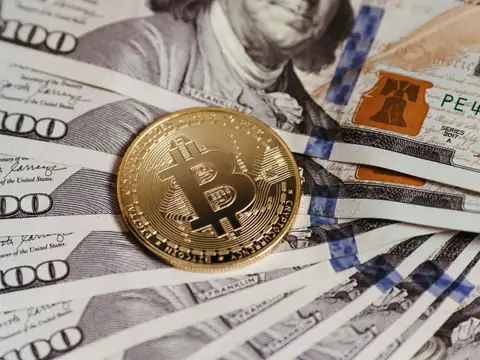
USDT is Tether’s dollar token. It is the coin most Ghanaians buy first, often simply as a way to hold dollars on a phone.
Today’s USDT to cedis rate
On the morning of our snapshot, CoinGecko priced USDT at GH¢11.78. The US dollar itself was at GH¢11.78 on the same feed, which is what you would expect: USDT is a stablecoin built to track the dollar one for one.
So the honest mid-market answer is simple. One USDT is roughly one US dollar, and its cedi price is whatever the dollar costs in cedis. The complications start when you try to buy or sell it, because the dollar you can get on a P2P desk is not priced like the dollar on a Bank of Ghana screen.
Quick USDT to cedis table
The table compares two prices from the same morning: the mid-market rate and the cheapest P2P ask on Bybit. The difference is what convenience cost that day.
| USDT | Mid-market (GH¢11.78) | P2P buy (GH¢12.39) |
|---|---|---|
| 1 USDT | GH¢11.78 | GH¢12.39 |
| 10 USDT | GH¢117.80 | GH¢123.90 |
| 50 USDT | GH¢589 | GH¢619.50 |
| 100 USDT | GH¢1,178 | GH¢1,239 |
| 500 USDT | GH¢5,890 | GH¢6,195 |
| 1,000 USDT | GH¢11,780 | GH¢12,390 |
On 100 USDT the gap is about GH¢61. On 1,000 USDT it is about GH¢610, enough to notice. If you are buying for savings rather than a quick payment, those cedis matter.
USDT vs the Bank of Ghana dollar rate
The Bank of Ghana publishes a daily dollar rate, the BoG reference rate. On 19 November 2026 its interbank selling rate was GH¢11.79. Banks and forex bureaus price around that number, but they add their own margin. Forex bureaus were selling cash dollars at about GH¢12.45 the same day.
USDT sits between those worlds. Its mid-market price follows the global dollar rate. Its street price, on P2P, follows what Ghanaians will pay for dollars they can get quickly by MoMo, without a bank queue or documentation for a forex purchase.
Why the bank rate is not available to you
Few individuals can walk into a bank and buy dollars at the interbank rate. Banks have their own retail margins and paperwork. In June 2026 the Bank of Ghana also told banks, MoMo issuers and payment firms to stop facilitating unauthorised dollar wallets run by crypto platforms. That directive was reported as not a ban on crypto trading, but it narrowed some of the easy routes into dollars.
The P2P premium, a dated snapshot
On the morning we checked, Bybit’s USDT/GHS market had 64 sell ads starting at GH¢12.39 and 157 buy ads paying up to GH¢12.38. Against the BoG selling rate of GH¢11.79, that is a P2P premium of roughly 5%.
GH¢11.79
BoG interbank selling rate, 19 Nov 2026
Bank of Ghana via Modern Ghana
GH¢12.39
Cheapest Bybit P2P USDT ask
Observed in mid-November 2026
GH¢12.45
Forex bureau dollar selling rate
Same day as the BoG rate
Two things stand out. First, the P2P price was close to the forex bureau price, so P2P was not unusually expensive compared with cash dollars. Second, the gap between the best buy ad and the best sell ad was only one pesewa. That tight spread tells you the market was busy, with plenty of liquidity at that moment.
The premium is not fixed. Earlier observations from secondary sources put Bybit P2P nearer GH¢12.05–12.15. It widens when dollar demand rises and narrows when the cedi is calm. Check the live ads before every trade.
Getting a fair rate when buying
A fair buy price is close to the cheapest active ad, from a seller with a track record, inside the platform’s escrow.
- Compare at least ten ads, not the first three
- Look at completion rate and number of trades, not only the price
- Check the minimum and maximum order fits your amount
- Pay only from a MoMo wallet or bank account in your own name
- Never move the chat to WhatsApp or pay outside the order screen
A verified merchant badge lowers the risk but does not remove it. If a price is far below everyone else’s, ask why before you send cedis. Our P2P guide walks through an order from start to finish.
Card purchases are priced off the global dollar, not the P2P rate, but your bank charges its own foreign exchange margin and some Ghanaian banks decline crypto card payments. Compare the final cedi amount on your statement with the P2P alternative.
Getting a fair rate when selling
Selling USDT for cedis is where most problems happen, because you are the one releasing coins and waiting for MoMo money.
Your MoMo wallet tier sets the size of sale you can take. On the minimum KYC tier the daily limit is GH¢3,000 and the wallet can hold only GH¢5,000. At the snapshot’s best buy price of GH¢12.38, selling 300 USDT already brings in about GH¢3,714, over that daily limit. Medium KYC allows GH¢15,000 a day and enhanced allows GH¢25,000. Upgrade before you sell, not during an open order.
-
Pick a buyer with history
Choose an ad with many completed trades and a high completion rate. -
Open the order inside the platform
Your USDT moves into escrow and stays there until you release it. -
Check your MoMo balance
Dial your wallet menu or open the app and confirm the cedis are in your balance, from a name that matches the buyer. -
Release only then
Never release because of an SMS, a screenshot or a phone call saying the money is on its way.
The MoMo reversal scam relies on you trusting a fake or reversible payment. The rule above defeats it. For a fuller walk through cashing out, see our guide to selling crypto in Ghana.
Network fees that change the maths
USDT exists on several blockchains. TRC-20 runs on TRON, BEP-20 on BNB Chain, ERC-20 on Ethereum, and there is a Solana version too. These are separate highways. Choosing one is choosing the network.
Exchanges charge a withdrawal fee that depends on the network, and it is shown before you confirm. On a small amount it can change your effective rate. A US$1 fee on a 20 USDT transfer is 5%, the same size as the whole P2P premium. On 500 USDT it barely registers.
If you hold USDT in your own wallet app, you also pay a gas fee in the network’s own coin: TRX on TRON, BNB on BNB Chain, ETH on Ethereum. Keep a little of that coin in the wallet or your USDT cannot move.
Crypto is legal to hold and trade in Ghana under the VASP Act 2025, though no platform has a full Ghanaian licence yet. USDT is a private company’s token, not money issued by the Bank of Ghana, and the cedi remains the only legal tender.
Frequently asked questions
How much is 1 USDT in Ghana cedis?
Why is the P2P USDT rate higher than the bank rate?
Is 1 USDT always 1 dollar?
Where can I sell USDT for cedis?
Where does this rate come from?
Which network should I use to receive USDT?
Sources we checked
- ↗CoinGecko — Tether price (USDT/GHS)
- ↗Bybit P2P — Buy USDT with GHS
- ↗Modern Ghana — Cedi sells at GH¢12.45 on forex market (19 Nov 2026)
- ↗Citi Newsroom — BoG increases mobile money transaction limits from 1 March 2024
- ↗Bank of Ghana — Virtual assets
- ↗GNA — BoG orders banks to cut ties with crypto-linked USD wallet services (June 2026)
Risk note: crypto prices can fall sharply and you can lose all the money you put in. This page is general information, not financial, legal or tax advice. Fees, limits and rules change; check them with the provider, the Bank of Ghana and the SEC before you act.